10 Red Flags to Watch for When Choosing a Publishing Company
10 Red Flags to Watch for When Choosing a Publishing Company Choosing a publishing company is a big…
Read article
The seven days around your release matter more than any other. Use this checklist to make launch week count.


Launch week is your best shot at introducing your book, driving early sales, collecting reviews, and building momentum.
A strong launch does not mean posting nonstop. It means a clear plan, content prepared ahead of time, and steady engagement with readers.
Here is how to stay organized before, during, and after release.
Do the setup two to four weeks before release. That way launch week is for promotion, not fixing broken links.
Go through every retailer page and check the details: title and subtitle, cover, description, categories and keywords, pricing, author name, and uploaded files.
Then test every purchase link and confirm each edition displays correctly.
Give readers one page that tells them about the book and where to buy it.
It should carry the cover, a clear hook, a short description, retailer links, your author info, and any early reviews.
Create enough material to cover all seven days without scrambling. That usually means a release announcement, an email campaign, daily social posts, quote and review graphics, a book mockup, one or two short videos, and event promotion.
Use a fresh message each day. The same “buy my book” post seven times is the fastest way to lose attention.
Aim for a small, committed group rather than a big passive one.
Remind them of the launch date, tell them exactly where to leave a review, and ask for honest feedback, never only positive.
Each day has its own job, so no two posts feel the same.
Confirm the book is live, email subscribers, update your site, and post the announcement. Keep it clear and include one direct purchase link.
Sample: “It’s here. [Book Title] is officially out today. Grab your copy: [link]”
Tell readers what inspired it, why you wrote it, or what you hope they take away. Personal stories connect people to both the author and the book.
Sample: “I started writing this after a conversation I couldn’t stop thinking about. Here’s the story.”
Explain why the book matters to your audience. For fiction, spotlight the characters, conflict, or feeling. For nonfiction, name the problem it solves and what readers will learn.
Sample: “If you’ve ever felt stuck at [reader’s problem], this book was written for you.”
Post short quotes from advance readers or editorial feedback. Specific comments persuade more than general praise.
Sample: “One early reader said it ‘kept them up until 2am.’ Best review I could ask for.”
Run a virtual launch party, live reading, interview, Q&A, or book club chat. Make it enjoyable rather than a long sales pitch.
Sample: “Join me live tonight at 7pm for a reading and Q&A. Bring your questions.”
Share something useful or fun: an excerpt, bonus chapter, character profile, or behind-the-scenes note.
Sample: “Here’s a free chapter, no purchase needed. If it hooks you, the rest is here: [link]”
Thank readers, reviewers, your launch team, and anyone who shared the book. Share an early milestone or a memorable reader reaction.
Sample: “Thank you to everyone who made week one unforgettable.”
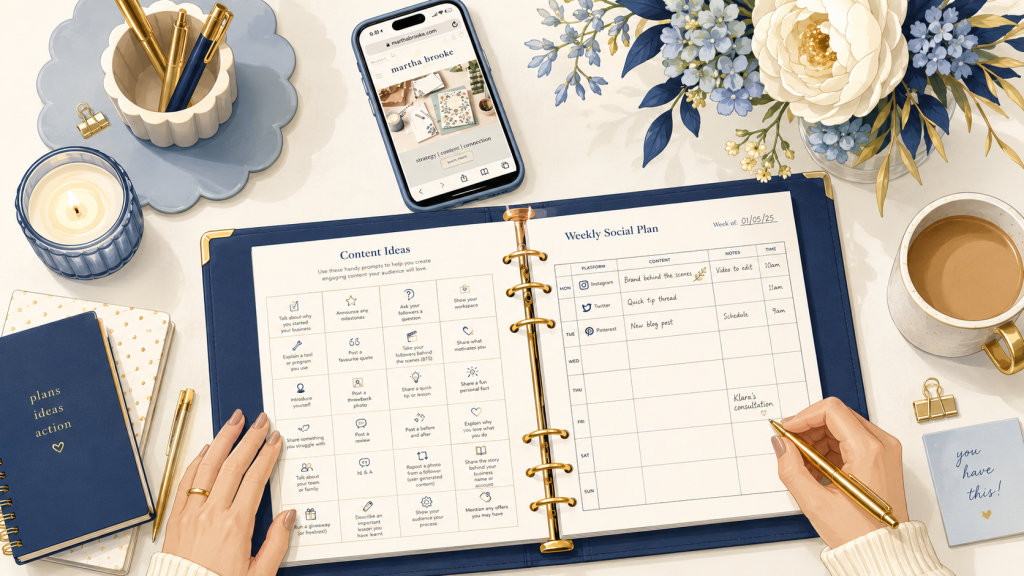
Alongside the daily plan, keep a few habits running in the background.
Reply to comments and messages, thank people who share your book, watch your ads, track your sales and traffic, and keep encouraging honest reviews. Update your social profiles too, so the cover and buy link are easy to find.
A few missteps sink otherwise good launches:
Launch week should begin your marketing campaign, not end it.
Look at what worked. Notice which emails, posts, interviews, and ads pulled the strongest response, and lean into those.
Then keep the momentum going. Pitch podcasts, bloggers, and book clubs, reach out to libraries and relevant communities, keep requesting reviews as more readers finish, and hold a steady content schedule.
A good launch week is not only about rankings or day-one sales.
It is about introducing your book clearly, connecting with readers, building social proof, and creating momentum that lasts.
Prepare early. Keep the message reader-focused. And keep promoting long after the launch buzz fades.

Part of the team at Norvex Publishing Services, writing about the craft and business of publishing.
10 Red Flags to Watch for When Choosing a Publishing Company Choosing a publishing company is a big…
Read article
The ISBN is your book’s identity — and whoever owns it controls your listing. Here is why owning…
Read article
Hybrid and vanity presses often keep a share of your royalties for life. Here is how flat-fee publishing…
Read articleThis site is protected by reCAPTCHA and the Google Privacy Policy and Terms of Service apply.
Comments
Join the conversation — we read every comment.